

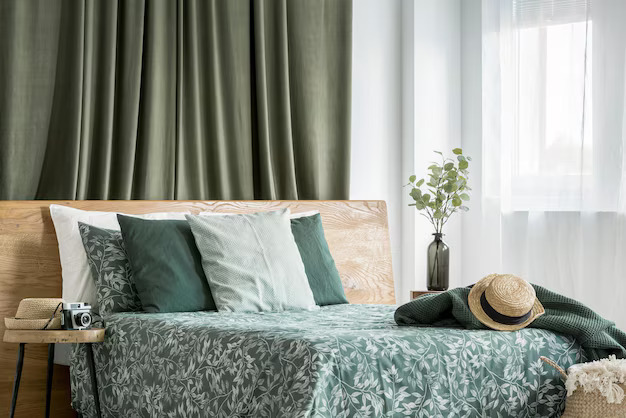
A better living experience rarely comes from one big upgrade; it’s built through small comforts repeated every day. When your home supports your routines, you move through mornings with less friction, relax more deeply at night, and spend less time “managing” your space. The goal of comfort hacks isn’t perfection; it’s reducing tiny stresses you’ve gotten used to, from harsh lighting to cluttered surfaces to rooms that never quite feel settled. With a few intentional adjustments, your home can feel calmer, more functional, and noticeably kinder to live in.
Start with the sleep zone, not the whole house
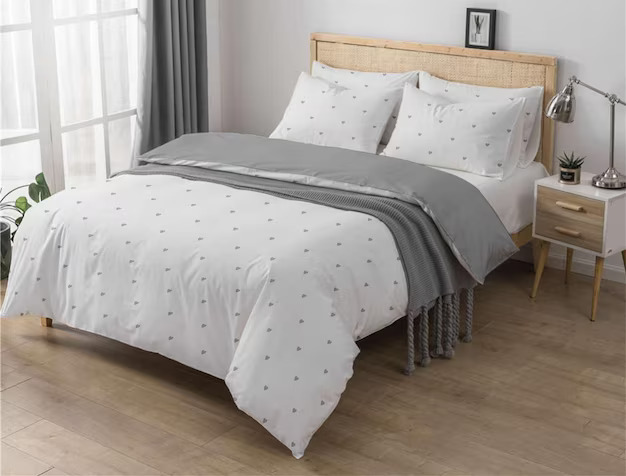
If you want comfort quickly, begin with the place that affects your energy the most: the bed. Small changes, better airflow, softer textures, and a layout that feels restful can improve how you fall asleep and how you wake up. Many people underestimate how much fabric quality matters, but durable cotton sheets often become the quiet foundation of nightly comfort because they feel breathable, stable, and pleasant against the skin. Keep the rest of the sleep zone minimal so the bed reads as a reset button rather than another visual task list.
Create a soft landing routine at the front door
A lot of household stress comes from what happens right when you walk in: shoes in the way, nowhere to drop keys, mail piling up, and bags migrating across chairs. A soft landing setup solves this by giving arriving items a predictable home, hooks at shoulder height, a small tray for essentials, and a bench or stool that makes removing shoes effortless. This isn’t just about tidiness; it’s about preventing micro-annoyances from repeating every day. When your entry routine becomes automatic, your home starts feeling welcoming the second you step inside.
Fix the two biggest comfort killers: noise and glare
Comfort is sensory, and two common issues quietly drain it: constant noise and harsh light. For noise, add absorbent layers, such as thicker curtains, a rug, upholstered seating, or even a fabric wall hanging, especially in echo-prone rooms. For glare, aim for layered lighting rather than one bright ceiling fixture: a warm lamp for evenings, targeted task lighting where you work, and softer bulbs in areas meant for winding down. When you control sound and light, even a small space can feel dramatically more restful.
Make temperature control feel effortless
Most homes have “hot spots” and “cold spots,” and discomfort often comes from constantly reacting, adding a blanket, taking one off, adjusting the thermostat again. Instead, build micro-comfort options into the room: a breathable throw within reach, a lightweight robe near the bed, and curtains that help manage sun exposure. In warm months, a fan positioned to circulate air across the room (not directly at your face) can improve comfort without blasting AC. The goal is not perfect temperature; it’s fewer interruptions to your comfort once you’re settled.
Set up comfort stations where you actually pause
A comfort hack works best when it’s placed at the moment you need it. Create small “stations” that support your habits: a tea/coffee corner that doesn’t require digging for mugs, a couch-side basket with a throw and charger, or a bathroom setup with towel storage within arm’s reach. Think about the pauses in your day: five minutes before work, a mid-afternoon break, the hour before bed, and design those moments to be easy. That’s why everyday home tips are so powerful: they remove repeated friction rather than chasing occasional aesthetics.
Use scent and fabric to signal off-duty time
Your brain responds to cues, and comfort improves when your home signals transitions clearly: work mode, relax mode, sleep mode. Scent is one of the fastest cues: a consistent evening fragrance (like lavender, cedar, or clean cotton) can become a routine anchor. Fabric helps too: swap rough or scratchy throws for softer textures, and reserve one “end-of-day” layer (a cozy blanket, a robe) only for wind-down time. When comfort cues repeat, your body learns to relax faster, and home starts feeling like a genuine recovery space.

Refresh one corner visually to boost comfort emotionally
Comfort isn’t only physical; it’s also the ease of looking around and feeling “I like being here.” Choose one corner bedside, reading chair, or a small dresser top and style it with restraint: a warm light source, one object that feels personal, and one practical item you use daily. If the bedroom is your focus, keep decorations calm and choose color tones that feel soothing; small shifts in layout and texture can create new bedroom style ideas without buying a lot. A single well-finished corner can lift your mood more than a full-room overhaul.
Make cleanup a 10-minute reset, not a weekend project
A home feels comfortable when it’s easy to maintain, not when it’s constantly “almost clean.” Build a short reset routine you can do even on tired days: clear one surface, return items to their zones, and do a fast floor pass where you walk the most. Keep cleaning tools close to where you use them, wipes where spills happen, a small brush in the bathroom, and a hamper where clothes actually land. Comfort grows when your space stays manageable, and manageability comes from systems that match real behavior.
Conclusion
Everyday comfort is a collection of small wins: softer light, quieter rooms, smoother routines, and spaces that don’t demand attention to function. When you upgrade comfort in the places you use most to sleep, entry, seating, and evening wind-down, you feel the difference immediately, even without big purchases. Start with one change that reduces friction today, then build from there; the best living experience isn’t about having more, but about making what you already have work better for you.